

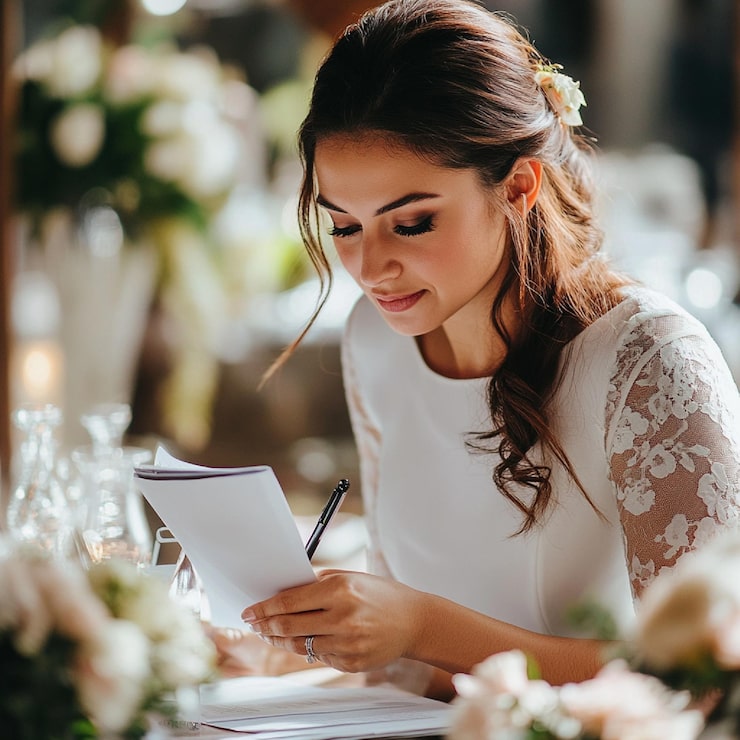
Planning a wedding is exciting, emotional, and sometimes overwhelming. With so many details to manage, it is easy to feel stressed or worried about forgetting something important. A clear wedding planning checklist turns chaos into structure and helps you enjoy the journey as much as the celebration itself.
This ultimate checklist breaks wedding planning into simple, manageable stages so you can stay organized, confident, and calm all the way to your big day.
12 Plus Months Before the Wedding
This is the foundation stage. Decisions made here shape everything that follows.
Start by setting a realistic budget and discussing priorities together. Decide what matters most, whether it is the venue, guest experience, photography, or food. Create a rough guest list to understand scale and costs.
Choose a wedding date or a few flexible options. Research and book your venue early, as popular locations fill quickly. Once the venue is confirmed, secure key vendors such as a wedding planner if you plan to use one.
9 to 11 Months Before the Wedding
With the basics in place, focus on your core team.
Book major vendors such as photographer, videographer, caterer, and entertainment. Begin exploring wedding themes, color palettes, and overall style. This helps guide future decisions.
Start shopping for wedding attire or at least researching styles and designers. Some outfits require months for tailoring, so early planning reduces pressure later.
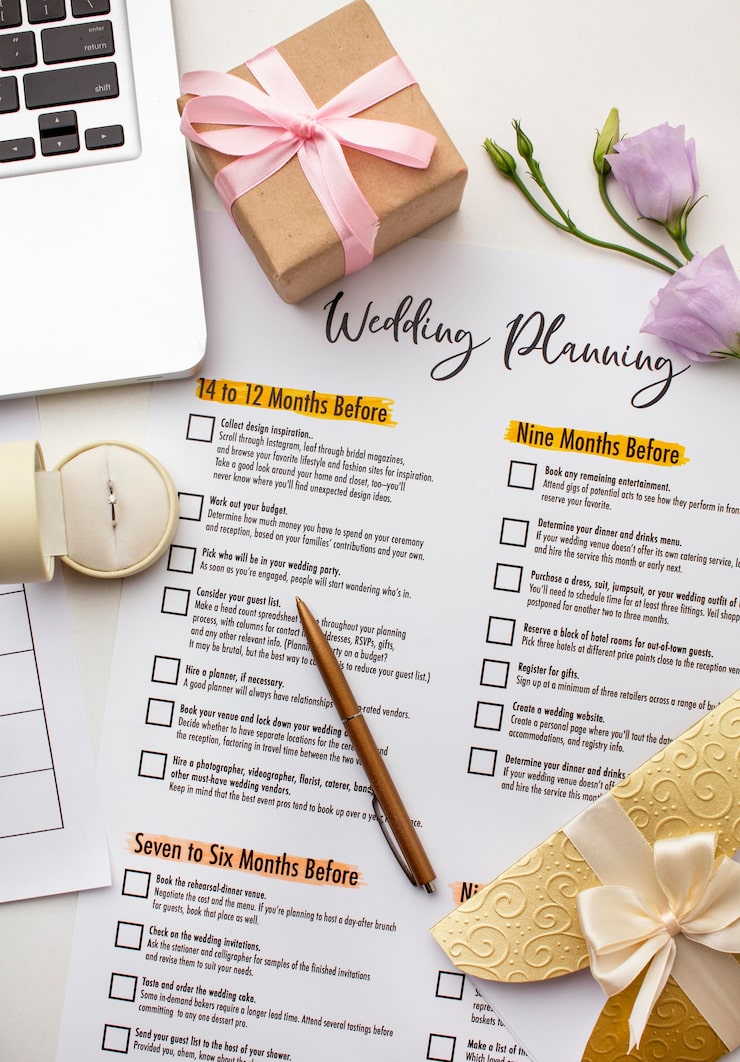
wedding planning checklist
6 to 8 Months Before the Wedding
This phase is about refining details.
Send save the date cards if you are planning a destination wedding or have many out of town guests. Finalize your bridal party and discuss expectations gently and clearly.
Book hair and makeup professionals. Begin planning décor elements like flowers, lighting, and seating arrangements. If travel is involved, research accommodation options for guests.
4 to 5 Months Before the Wedding
Now your vision starts to feel real.
Order wedding invitations. Plan the ceremony structure and reception flow. Work with vendors to confirm menus, timelines, and setup requirements.
Schedule fittings for wedding attire. If you are planning personal touches like vows, readings, or special performances, start drafting ideas now.
2 to 3 Months Before the Wedding
This is a critical organization stage.
Send wedding invitations and track responses. Finalize the guest list. Plan seating arrangements based on confirmed attendees.
Confirm details with all vendors including arrival times, contact information, and backup plans. Create a preliminary wedding day timeline that includes setup, ceremony, reception, and key moments.
1 Month Before the Wedding
Focus shifts to confirmation and calm.
Have final fittings for wedding outfits. Confirm final numbers with the caterer and venue. Arrange transportation for the wedding party if needed.
Prepare a wedding day emergency kit with essentials like safety pins, makeup touch ups, pain relievers, and snacks. Delegate responsibilities to trusted friends or family so you are not managing everything yourself.
1 Week Before the Wedding
This is about reducing last minute stress.
Confirm final timelines with vendors. Pack wedding day essentials. Practice the ceremony if possible. Get plenty of rest and stay hydrated.
Try to limit new decisions. Trust the planning you have already done.
The Day Before the Wedding
Keep things light and simple.
Attend the rehearsal if scheduled. Prepare outfits, accessories, and documents. Spend time with close family or friends and try to relax.
Avoid last minute changes unless absolutely necessary. Your preparation is complete.
Wedding Day Checklist
Eat a proper meal and drink water.
Stick to the timeline but allow flexibility.
Focus on moments, not perfection.
Let others handle logistics.
Enjoy the celebration you planned.
Remember, the goal is not a flawless event. It is a meaningful and joyful experience.
Common Wedding Planning Mistakes to Avoid
Trying to do everything alone often leads to burnout. Overloading the schedule leaves no room to breathe. Comparing your wedding to others creates unnecessary pressure.
A well planned wedding feels personal, not perfect.
Tips for a Truly Stress Free Wedding Day
Communicate clearly with vendors. Delegate tasks. Build buffer time into your schedule. Accept that small things may go differently than planned.
What you and your guests remember most is the emotion, not minor details.

wedding planning checklist
Final Thoughts: Planning With Confidence and Joy
A clear wedding planning checklist transforms wedding preparation into a positive experience. By breaking tasks into stages, staying organized, and focusing on what truly matters, you create space to enjoy your engagement and your big day.
The best weddings are not defined by perfection. They are defined by love, intention, and the memories created together.











Leave a Reply